Attention Deficit Hyperactivity Disorder (ADHD) in children is not a behavioral problem, it is not caused by poor parenting, and it is not a matter of a child being “intentionally stubborn.” Instead, it is a neurobiological condition affecting the prefrontal cortex, the area of the brain responsible for regulating attention and impulse control.
An imbalance in neurotransmitters like Dopamine and Norepinephrine makes it harder for these children to control themselves compared to peers of the same age. Embracing the understanding that “my child isn’t being bad; they are facing a medical condition” is the most crucial first step in helping them.
Symptoms typically become noticeably clear when a child enters school age—a phase requiring structured discipline and concentration. These symptoms are categorized into three main types:
Inattention: Frequently daydreaming, failing to finish tasks as instructed, forgetfulness, losing personal items often, and a lack of attention to detail in their work.
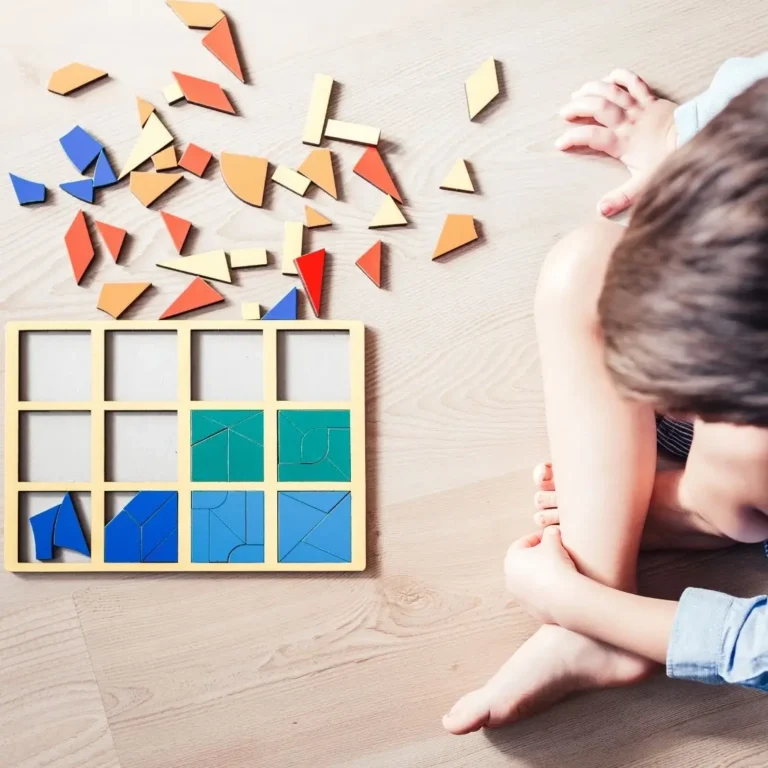
Hyperactivity: Constantly squirming or fidgeting, running or climbing at inappropriate times, talking excessively, and finding it difficult to sit still.
Impulsivity: Interrupting others during conversations, difficulty waiting for turns, and blurting out answers before questions are fully finished.
Leaving a child to cope with ADHD without proper support is like expecting a child with blurred vision to strain and read the whiteboard all day. Over time, this can lead to severe long-term impacts:
Academic Decline: Even if a child is highly intelligent (high IQ), they will struggle to harness and display their true potential.
Low Self-Esteem: Being constantly reprimanded by teachers or parents can make the child feel that they are “not good enough” or that they are a “bad child.”
Relationship Issues: Difficulty getting along with peers due to aggressive play or impulsive behavior, which can eventually lead to social isolation.
Other Mental Health Challenges: If left untreated, there is a significantly high risk of developing anxiety or depression as they enter adolescence.
At Joy of Minds, we utilize a holistic, Multimodal Treatment approach, which is globally recognized as the most effective method for managing ADHD:
Behavior Therapy: Helping children develop discipline through a system of positive reinforcement and time management.
School Support: Working closely with teachers to adjust classroom environments to better support the child’s focus.
Social Skills Training: Teaching children how to approach peers, make friends, and regulate their emotions effectively.
Parent Training: Transforming “reprimanding” into “constructive teaching,” which helps alleviate stress and tension within the home.
Pharmacotherapy is one of the most effective tools available to balance neurotransmitters in the brain:
How Medication Works: It helps the part of the brain responsible for “filtering” information function more effectively, allowing children to focus longer and gain better control over their behavior.
Types of Medication: Treatment includes both stimulants and non-stimulants. Our psychiatrists will carefully select the specific type and dosage most appropriate for each child.
Safety: ADHD medications are highly safe when monitored under professional medical care. They do not accumulate in the body, nor do they turn a child into a “robot.” Instead, they help children return to being “themselves” in a version that is fully ready to learn and grow.
Our Promise at Joy of Minds: We are dedicated to standing beside parents to transform “chaos” into “creative power,” restoring your child’s confidence so they can grow gracefully into who they are meant to be.